
Why are casinos designed to keep you playing longer?
The psychology of gaming environments
The design of casinos is heavily influenced by psychological principles aimed at maximizing player engagement. One core principle is the use of bright colors, enticing sounds, and unique layouts which create an immersive environment. These elements not only attract players but also manipulate their perception of time. When players are surrounded by the vibrant environment of slot machines and table games, they often lose track of the hours they spend within the casino walls, leading to extended play sessions, especially with platforms like 1win that enhance the overall experience.
Additionally, casinos employ a variety of sensory stimuli, including music and celebratory sounds. Winning machines may ring loudly and attractively when a player hits a jackpot, reinforcing positive emotions and encouraging continued play. This sound design plays a pivotal role in motivating players to stay engaged, as it associates gameplay with feelings of excitement and reward, making it hard for them to leave. The casino wants players to feel that they are in a world where anything is possible, and this atmosphere is essential to keeping them inside.
Ultimately, the strategic use of psychological triggers extends beyond mere aesthetics. It is a carefully orchestrated environment that fosters a sense of excitement and possibility. Players are lulled into a state of flow, wherein their focus sharpens on the game at hand, effectively overshadowing the passage of time. Casinos capitalize on this with their design philosophy, ensuring that every aspect contributes to longer gaming sessions and deeper engagement.
Incentives and rewards systems
Another critical strategy employed by casinos is the implementation of loyalty programs and rewards systems, which are designed to increase retention rates among players. These programs provide incentives for continued play, such as cash-back offers, complimentary meals, or free hotel stays. By creating a sense of belonging and rewarding players for their loyalty, casinos foster an environment where guests feel valued and appreciated, encouraging them to extend their visit.
Moreover, the psychological impact of these rewards cannot be underestimated. Players often perceive that the more they play, the more rewards they can earn, creating a cycle of engagement. This phenomenon, known as the “sunk cost fallacy,” leads individuals to continue playing to justify their initial investment in time and money. The allure of a potential big win combined with the promise of benefits keeps players returning to the tables or machines, ultimately engaging for longer periods.

Additionally, casinos understand that creating a sense of competition among players enhances engagement. By showcasing leaderboards or offering tiered rewards, they stimulate players’ natural competitive instincts. This not only motivates individuals to play longer in hopes of achieving higher rankings but also creates a community atmosphere, where regular players bond over shared experiences. In this way, the incentive structures are meticulously crafted to nurture prolonged gambling behavior.
The layout and flow of the casino
The physical layout of casinos plays a significant role in keeping players engaged. Unlike traditional retail spaces, casinos are designed without clocks or windows, which prevents players from becoming aware of the time. This deliberate omission encourages guests to immerse themselves in the gaming experience without distractions. The placement of games is also strategically planned to draw players from one area to another, creating a labyrinthine experience that makes it easy to simply keep playing.
Furthermore, the clustering of games is often based on popularity, ensuring that high-traffic areas create buzz and excitement. Popular slot machines are placed together to capitalize on the attraction of crowds, while table games are situated nearby to create a vibrant social atmosphere. This layout not only keeps players entertained but also entices them to try games they might not normally play, further extending their stay.
The combination of thoughtful design and strategic flow effectively turns gaming into an enthralling journey. Players are moved through a seamless experience where the thrill of discovery unfolds around every corner. The casino becomes a place of adventure, where excitement is always just a few steps away, making it easy for individuals to lose track of time and continue playing far longer than they initially intended.
The role of customer service and social interaction
The impact of customer service on player retention is significant, as casinos excel in creating an inviting and friendly atmosphere. Friendly dealers and attentive staff contribute to a positive gaming experience, encouraging players to stay longer. When players feel that they are receiving exceptional service, they often associate that experience with positive emotions, making them more likely to extend their time spent within the casino.
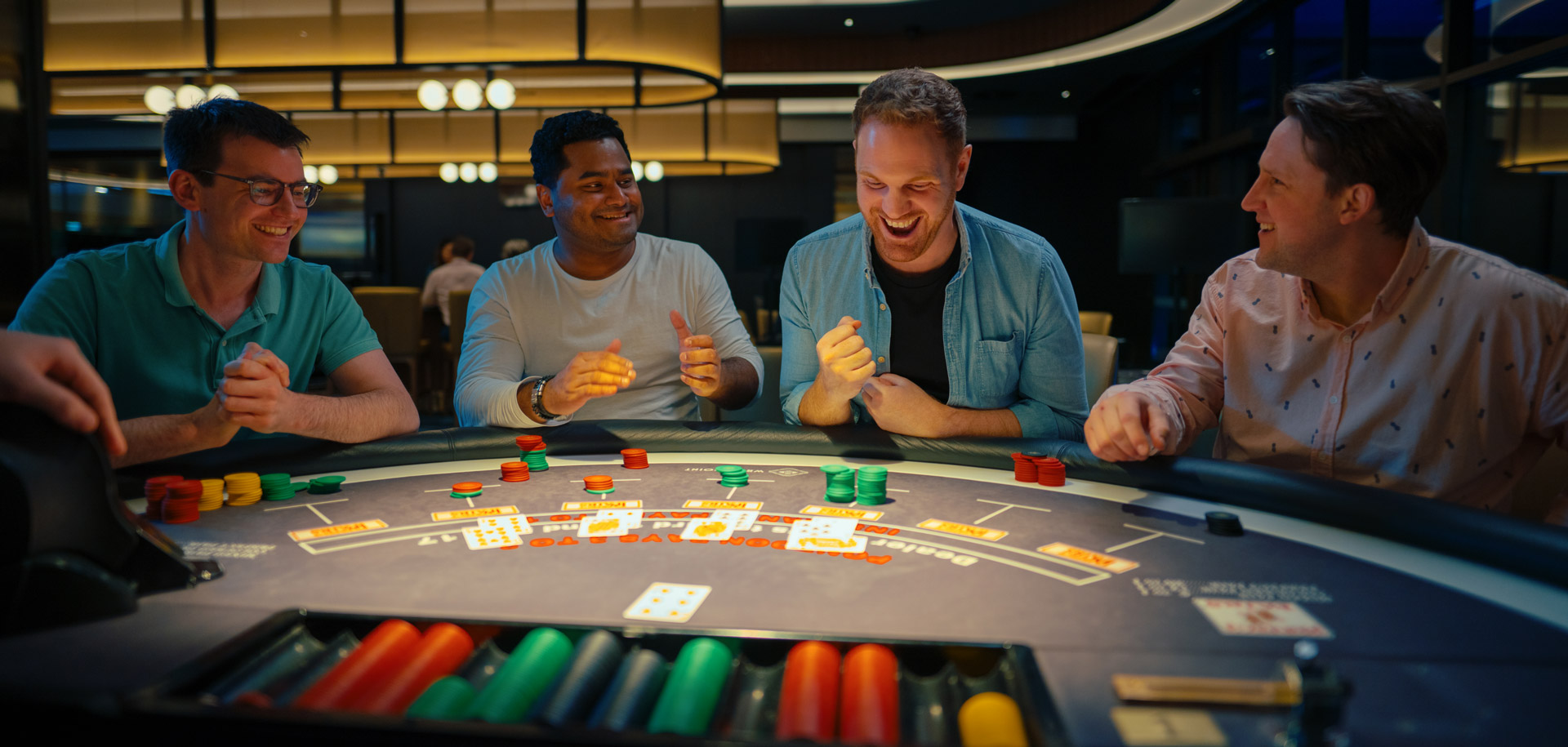
Moreover, social interaction is a powerful factor in keeping players engaged. Many individuals visit casinos not only for the opportunity to win but also for the social aspect of gaming. Casinos are designed to facilitate interaction, with communal spaces that promote camaraderie among players. The thrill of sharing a table with others, engaging in spirited conversations, and celebrating wins together enhances the overall experience, making it more enjoyable and memorable.
As a result, the social atmosphere within a casino becomes a catalyst for extended play. Players become invested not only in their own gaming outcomes but also in the experiences of those around them. This shared experience fosters a sense of belonging, compelling players to remain engaged as they form connections and friendships, further blurring the lines of time as they enjoy their time together.
Understanding how this benefits casinos
Ultimately, the design of casinos is precisely engineered to maximize player engagement, benefiting the establishments significantly. Extended play equates to increased revenue, and the strategies employed are aimed at ensuring that every visitor has the chance to experience the thrill of gaming for as long as possible. By creating an immersive environment, offering compelling rewards, and fostering social interactions, casinos can effectively cultivate dedicated patrons and loyal customers.
Moreover, by understanding the psychological triggers that motivate players, casinos can adapt and refine their strategies to meet the evolving needs of their clientele. As technology advances and player preferences shift, the design and function of casinos will also evolve, yet the fundamental principle of creating an engaging and immersive environment will remain constant. This design philosophy not only attracts players but encourages them to return repeatedly, ultimately driving long-term profitability.
In conclusion, the intricate design and strategic operations of casinos are tailored to ensure that players remain engaged for extended periods. By focusing on psychological principles, incentives, layout, customer interaction, and long-term benefits, casinos successfully create environments where time seems to vanish, and the experience becomes far more than just a game. Understanding these aspects can demystify the allure of casinos and highlight the clever strategies at play. For those seeking more insights into the intricate world of casinos, our website offers a wealth of information to explore further.